

Distance Location Of School

According to The NewTimes Gone are the days when students used to walk miles to access school, thanks to the emergence of alternative means of transport like school buses and private cars.

However, even with these developments, there are students who still trek long distances to school, perhaps, due to high transport fairs. And as such, education experts have often highlighted why parents need to factor the distances their children cover daily to and from school, whether by car or on foot.

Similarly, a recent study conducted by Germany-based Education International showed that long journeys to school have a negative impact on students’ health and on their education achievement levels.

“Up until now, neither education authorities nor national governments have considered the impact of long travel hours, to and from schools, on students’ health and learning abilities. Sitting in a car or a bus for up to three hours per day is not rare, and tires a child’s body more than an adult’s,” the study said.

Echoing similar sentiments, Charles Mutazihana, the head teacher of Kigali Parents School, says that long distances cause fatigue as the day commences which kills a learner’s concentration.

“The lengthy footing of kids to school disorganises their concentration in class. Some of them arrive at school sweaty, stressed and exhausted both physically and psychologically, which compromises their performance,” he says.

Mutazihana adds that the fact that students are exposed to many things on their way to school affects their studies.

“Minor things can distract children on their way to school. For instance, some will move along with their balls playing, while others can even fail to get to school in time due to unfriendly weather such as heavy rainfall,” he says.

Seth Ndahoyo, a teacher at Nyabitse Primary School in Musanze District, explains that students who travel long distances are more likely to get to school late and miss an entire lesson or the introductory part of it which affects their overall learning in the long run.

“For the case of day scholars, absenteeism can become a syndrome due to the long distance. Thoughts about how distant it is to get to school keep running in children’s mind whenever they wake up. This, coupled with the pile of home work assignments demoralises them,” Ndahoyo adds.

For Sheila Kawira of Mother Mary Complex Kigali, other consequential factors also challenge young people physically and psychologically as they move to school.

“The schoolbag must be carried longer, long distances also mean getting up earlier, doing homework later – as well as reducing the free time which is crucial for a balanced life.

“Students can suffer from exhaustion and headaches. Children are more prone to stress and exhaustion – that’s why risk factors such as long distances to school must be minimised,” she says.

Do school buses help? 

Ezra Nnaku, a teacher of Kigali Parents School, says school buses provide some relief for children as they tend to manage time better and provide a more relaxed way to travel to school.

“Although in Africa school buses have not been fully adopted as is the case in developed countries, the trend should be encouraged. This is because the time it takes for a child using a bus to get to school is shorter and the experience is not as stressful as that of a child who has to walk to school,” Nnaku explains.

She adds that moving together in a bus enhances the bond between children.

“While in the school bus, the kids tend to spend time to know each other, make friends and also learn to be disciplined, which are major determinants of success at school,” she says.

However, Nnakku warns that school buses can also be hectic if the distance between home and school is long.

“As we all know the children’s bodies are weak and get exhausted so quickly when exposed to such a long route seated in the bus. They end up getting to school tired, which especially affects their morning studies,” she explains.

Long distances also imply that children have to wake up very early to prepare to walk or wait for the school bus.

“At times I feel hurt as a mother when waking up my child of 7 years at 5:00am. Children need enough sleep so that they can grow well and to be active in class. Such scenarios inevitably affect their academic performance,” says Naureen Uwera.

However, Mutazihana is quick to add that short distances are not a guarantee to success.

“Students who cover shorter distance to school tend to be reluctant because they know they can make it to school any time,” he says.

For Alyce Mutamuliza, a parent of four children, everything comes back to the parent because they dictate which school their children go to.

“The quality and distance to school will always matter to serious parents because it determines the child’s performance,” she says.

Ronald Mutabazi, a student at University of Kigali, is of the view that how a student performs at school is mainly dependent on their effort.

“Serious students will always find out why their parent can’t take them to the boarding section and will adjust to cope by all means,” he says.

Research studies by the United Nations Educational, Scientific and Cultural Organisation (UNESCO) show that long distances from school contribute to poor school attendance.

UNESCO also says conditions at home, in school, on the way to school and in the community are more likely to prevent children from having a meaningful and conducive learning environment.

Schools of any type must be easily accessible – this is particularly valid for elementary schools. For health consideration, the slogan, ‘Short legs – short distance’ must not be valid only for elementary schools. It must lead to all schools being kept close to students’ homes. Only this way will it be guaranteed that children are not exposed to the stress and dangers of long journeys to school.

Lack of Sleep

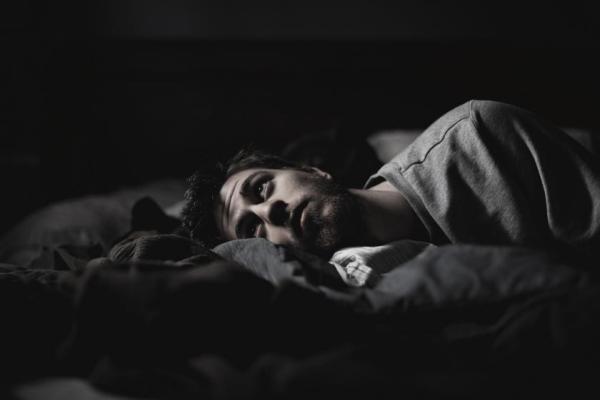
According to NHS  Many effects of a lack of sleep, such as feeling grumpy and not working at your best, are well known. But did you know that sleep deprivation can also have profound consequences on your physical health?

One in 3 of us suffers from poor sleep, with stress, computers and taking work home often blamed.However, the cost of all those sleepless nights is more than just bad moods and a lack of focus.Regular poor sleep puts you at risk of serious medical conditions, including obesity, heart disease and diabetes – and it shortens your life expectancy.

It’s now clear that a solid night’s sleep is essential for a long and healthy life.

How much sleep do we need?

Most of us need around 8 hours of good-quality sleep a night to function properly – but some need more and some less. What matters is that you find out how much sleep you need and then try to achieve it.

As a general rule, if you wake up tired and spend the day longing for a chance to have a nap, it’s likely that you’re not getting enough sleep.

A variety of factors can cause poor sleep, including health conditions such as sleep apnoea. But in most cases, it’s due to bad sleeping habits.

Find out the common medical causes of fatigue.

What happens if I don’t sleep?

Everyone’s experienced the fatigue, short temper and lack of focus that often follow a poor night’s sleep.

An occasional night without sleep makes you feel tired and irritable the next day, but it won’t harm your health.

After several sleepless nights, the mental effects become more serious. Your brain will fog, making it difficult to concentrate and make decisions. You’ll start to feel down, and may fall asleep during the day. Your risk of injury and accidents at home, work and on the road also increases.

Find out how to tell if you’re too tired to drive.

If it continues, lack of sleep can affect your overall health and make you prone to serious medical conditions, such as obesity, heart disease, high blood pressure and diabetes.

Here are 7 ways in which a good night’s sleep can boost your health:

Sleep boosts immunity

If you seem to catch every cold and flu that’s going around, your bedtime could be to blame. Prolonged lack of sleep can disrupt your immune system, so you’re less able to fend off bugs.

Sleep can slim you

Sleeping less may mean you put on weight! Studies have shown that people who sleep less than 7 hours a day tend to gain more weight and have a higher risk of becoming obese than those who get 7 hours of slumber.

It’s believed to be because sleep-deprived people have reduced levels of leptin (the chemical that makes you feel full) and increased levels of ghrelin (the hunger-stimulating hormone).

Sleep boosts mental wellbeing

Given that a single sleepless night can make you irritable and moody the following day, it’s not surprising that chronic sleep debt may lead to long-term mood disorders like depression and anxiety.

When people with anxiety or depression were surveyed to calculate their sleeping habits, it turned out that most of them slept for less than 6 hours a night.

Sleep prevents diabetes

Studies have suggested that people who usually sleep less than 5 hours a night have an increased risk of developing diabetes.

It seems that missing out on deep sleep may lead to type 2 diabetes by changing the way the body processes glucose, which the body uses for energy.

Sleep increases sex drive

Men and women who don’t get enough quality sleep have lower libidos and less of an interest in sex, research suggests.

Men who suffer from sleep apnoea – a disorder in which breathing difficulties lead to interrupted sleep – also tend to have lower testosterone levels, which can lower libido.

Sleep wards off heart disease

Long-standing sleep deprivation seems to be associated with increased heart rate, an increase in blood pressure and higher levels of certain chemicals linked with inflammation, which may put extra strain on your heart.

Sleep increases fertility

Difficulty conceiving a baby has been claimed as one of the effects of sleep deprivation, in both men and women. Apparently, regular sleep disruptions can cause trouble conceiving by reducing the secretion of reproductive hormones.

How to catch up on lost sleep

If you don’t get enough sleep, there’s only one way to compensate – getting more sleep.

It won’t happen with a single early night. If you’ve had months of restricted sleep, you’ll have built up a significant sleep debt, so expect recovery to take several weeks.

Starting on a weekend, try to add on an extra hour or 2 of sleep a night. The way to do this is to go to bed when you’re tired, and allow your body to wake you in the morning (no alarm clocks allowed!).

Expect to sleep for upwards of 10 hours a night at first. After a while, the amount of time you sleep will gradually decrease to a normal level.

Don’t rely on caffeine or energy drinks as a short-term pick-me-up. They may boost your energy and concentration temporarily, but can disrupt your sleep patterns even further in the long term.

Online Games Addiction

Image result for playing video games

Based from The Sun An addiction to online video games is a very real problem and could have significant consequences to those suffering.

An addiction to standard video games that are designed for a single player usually relates to the player needing to complete a mission, or beat a high score.

Online multiplayer games usually have no ending and gamers enjoy creating and building relationships with other online characters and players which can provide a community feeling and an escape from reality.

“Someone addicted to gaming has become socially dysfunctional because of their compulsive need to game,” Dr Mateen Durrani, Group Psychiatrist at leading addiction treatment firm UKAT, told The Sun.

“The user will have lost their power of choice, in that playing games has completely taken over their life and they are obsessed,” he added.

“Parents who believe their child has a dependency-based problem with internet games should seek professional help immediately.”

What are the signs and symptoms of an addiction to video games?

Dr Durrani lists the following tips for identifying a video game addiction:

Obsessive behaviour

1. Being completely preoccupied about getting back to the game and displaying irritable, restless and even aggressive behaviour when not playing.

Physical warning signs

2. Headaches and fatigue due to lack of sleep.

3. A loss of appetite and poor diet.

4. In severe cases, diminished personal hygiene.

Being locked away for hours

5. Self-imposed isolation to ensure uninterrupted game play.

UKAT runs several treatment centres for those dealing with alcohol addiction, drug addiction, eating disorders, and video game addiction.

“If your child plays online games for hours on end, this does not necessarily mean that they are addicted or have a dependency-based problem,” said Dr Durrani.

“But time spent, coupled with these main physical and psychological symptoms, could indicate a problem.

“Early intervention in children could result in a healthy, moderated use of online games in the future, if the issue is tackled sooner rather than later.”

Blog at WordPress.com.

Up ↑

Design a site like this with WordPress.com
Get started